
Find the best times to wake up or go to bed based on 90-minute sleep cycles.
Enter a time and calculate
The Sleep Quality Score Calculator helps you evaluate your overall sleep quality by analyzing important factors such as sleep duration, sleep consistency, difficulty falling asleep, nighttime interruptions, and how refreshed you feel after waking up.
Getting enough sleep is essential for physical recovery, mental focus, emotional balance, and overall well-being. However, sleep quality is not only about the number of hours you spend in bed. A person can sleep for eight hours but still experience poor-quality sleep due to frequent waking, stress, irregular schedules, or disrupted sleep patterns.
This Sleep Quality Score Calculator provides a simple way to assess your sleeping habits and identify areas that may need improvement. It is designed as a self-assessment tool to help you better understand your sleep patterns and make healthier lifestyle choices.
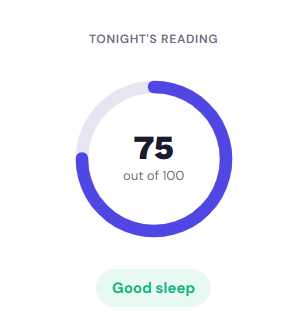
The Sleep Quality Score Calculator helps you evaluate your overall sleep by looking at the things duration alone misses: sleep consistency, how long you take to fall asleep, nighttime interruptions, and how refreshed you feel after waking up.
Getting enough sleep is essential for physical recovery, mental focus, emotional balance, and overall well-being. But a person can sleep for eight hours and still wake up exhausted, because quality and quantity aren’t the same thing.
This calculator is a self-assessment tool, not a diagnosis. Use it to spot patterns in your own routine and decide what’s worth adjusting.